
We’ve all lived this specific horror story: You sit down with warm popcorn, fire up a streaming service, and enter the scrolling void. Forty-five minutes later, your popcorn is cold, your free time is dead, and you’re aggressively staring at a grid of thumbnails, paralyzed by choice.
Building a mood-based watchlist is the ultimate cure for algorithm-induced paralysis. Instead of letting a cold machine dictate your evening based on “Movies Featuring Witty Sidekicks,” this framework lets you curate a personal cinematic emergency kit tailored to exactly how your brain feels.
Step 1: Ditch Genres, Group by “Emotional Damage”

Traditional genres are a trap. “Action” covers both a campy 80s explosion-fest and a bleak war tragedy—two entirely different vibes. Categorize your list by emotional utility instead:
- Brain Off / Zero Thoughts: Low-stakes, warm-hug cinema for when your work week melted your last brain cell (e.g., Paddington 2, colorful 90s rom-coms).
- Adrenaline Spike: High-octane thrillers to yank you out of a mid-week slump (e.g., Mad Max: Fury Road, tight “running for their life” movies).
- I Need to Sob into a Pillow: Heavy-hitting catharsis for when you just need a good, healthy existential cry (e.g., Aftersun, The Iron Claw).
- Pretentious & Proud: Visually stunning mind-benders for when you want to feel like an intellectual connoisseur sipping black coffee (e.g., Arrival, Memento).
- Rainy Day Aesthetic: Mood over plot. Atmospheric slow-burns where people stare out of windows in gorgeous coats (e.g., Portrait of a Lady on Fire).
Step 2: Pick a Home Base (Not Your Phone’s Sticky Notes)
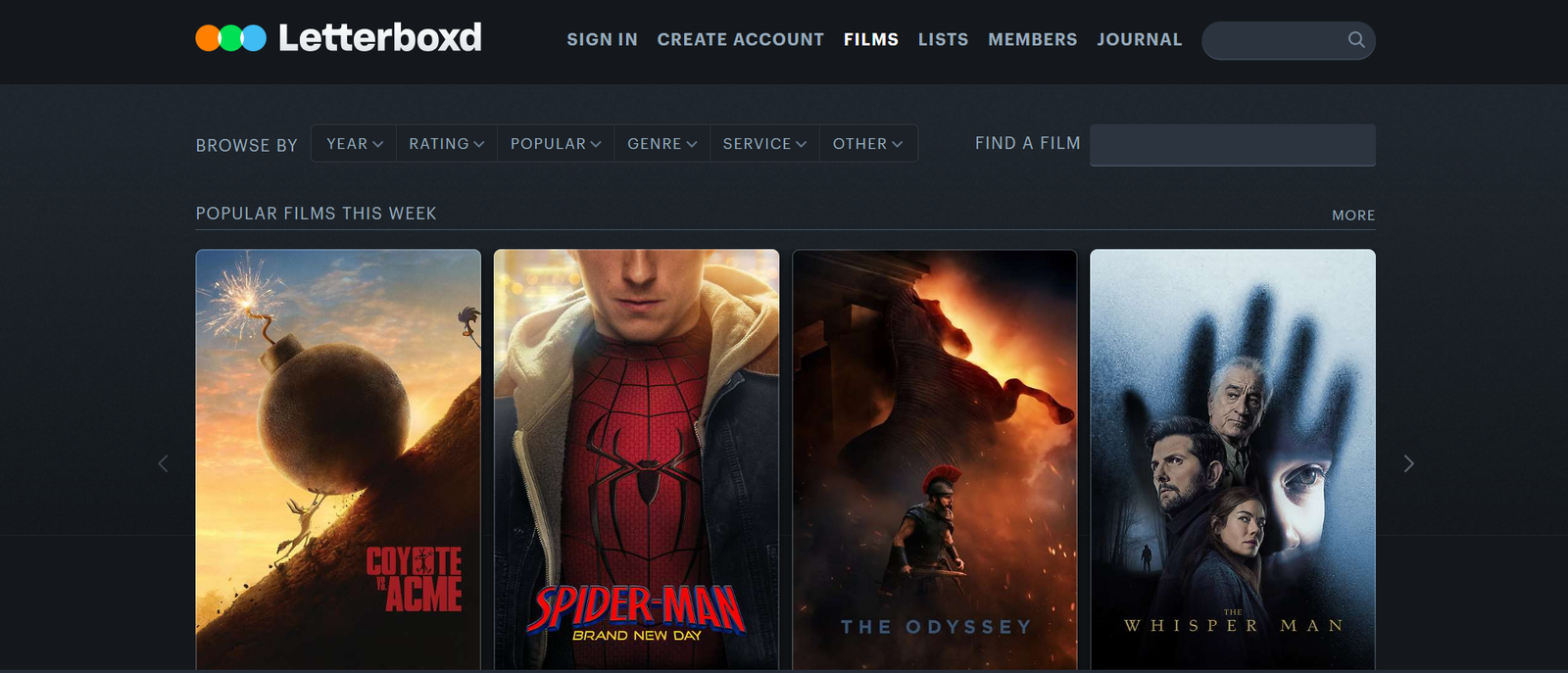
Dump the chaos of half-written notes and random bookmarked tweets. Use a dedicated tool that actually serves up posters, runtimes, and platform availability:
- Letterboxd: The undisputed kingdom of film nerds. Perfect for building aesthetic lists, tracking stats, and reading unhinged two-sentence reviews.
- JustWatch: The pragmatist’s choice. It tells you which streaming giant currently owns the rights to the film you want to watch right now.
- Notion / Airtable: For the spreadsheet enthusiasts who want to track directors, countries of origin, and custom mood scores.
Step 3: Enforce the “Rule of 5”
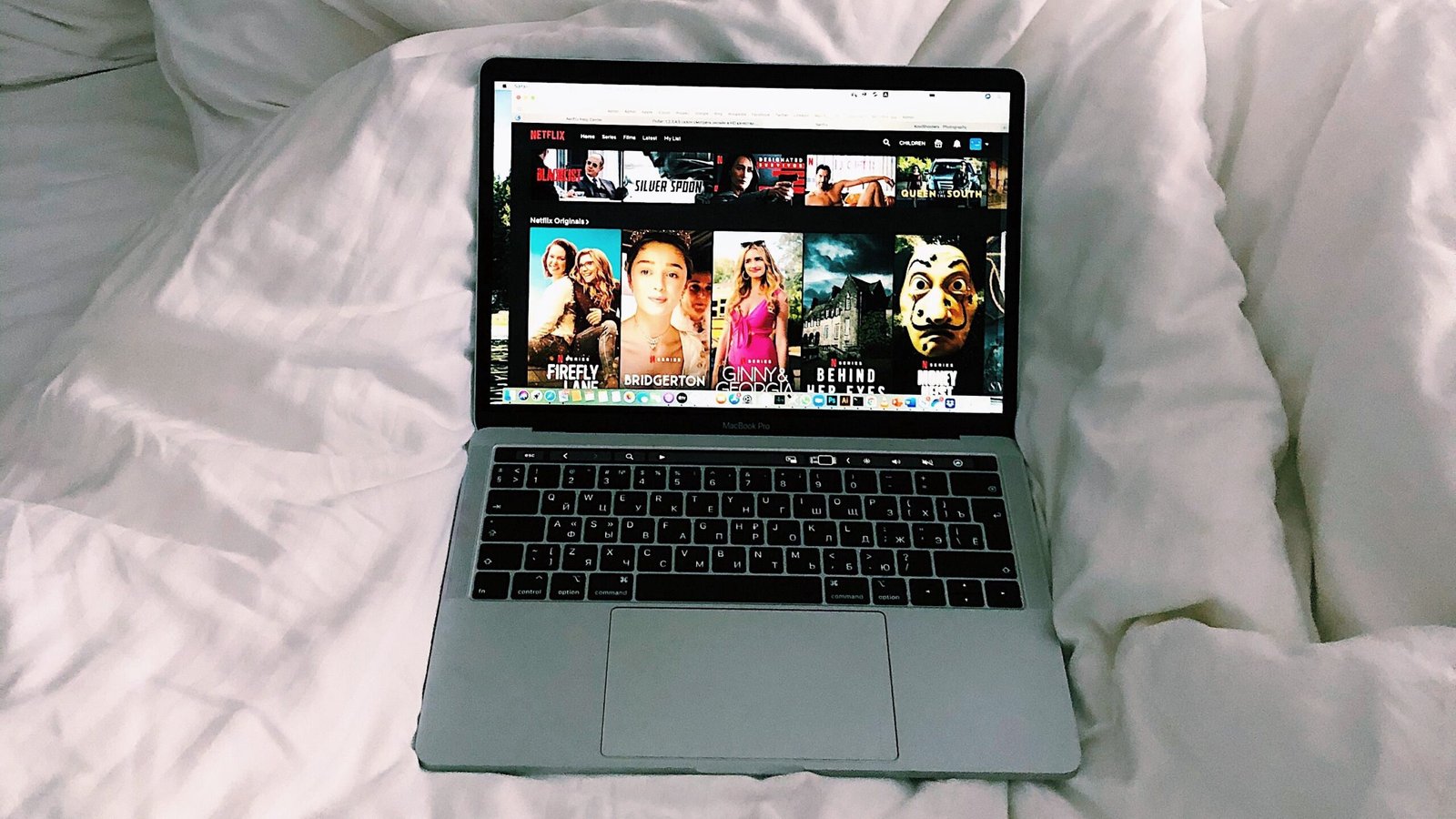
The biggest mistake people make is dumping 400 random movies into one giant digital landfill. A list of 400 movies is just a smaller, homemade Netflix catalog to scroll through. Cap each mood bucket with 15 titles total using this balance:
- 5 Comfort Anchors: Films you’ve seen five times that define the exact vibe.
- 5 Blind Spots: Acclaimed movies you’ve been meaning to watch that fit the mood.
- 5 Short-Runners: Movies under 90 minutes. Critical for when you start watching at 10:30 PM and have work tomorrow.
Step 4: Tag for Reality (Subtitles and Screen Time)

Mood isn’t just emotion, it’s also energy level. Be brutally honest about your physical state when tagging your films:
- Runtime:
< 90 Mins,Standard 2 Hours,Prepare a Meal (150+ Mins) - Energy Level:
Fast-Paced,Slow-Burn,Hypnotic - Subtitle Check: Explicitly mark foreign language films. Reading subtitles requires active focus; if you’re half-asleep, you will fail and end up on TikTok instead.
Step 5: Execute the Six-Month Eviction Notice
A watchlist is an active ecosystem, not a graveyard for movies you feel guilty about not watching. Every time you finish a film, purge it from the list and cycle a new one in.
If a movie sits in your “Mind-Benders” bucket for six months and you’ve skipped past it 40 times, accept the truth: you don’t actually want to watch it right now. Evict it. Send it back to the general void and keep your watchlist lean, mean, and actually watchable.
Next time you flop onto the couch, don’t ask the algorithm what’s popular. Ask yourself, “What kind of emotional state am I trying to fix?” and hit play within 30 seconds flat.

Jazz is a film enthusiast and writer sharing honest, fresh reviews on everything from major blockbusters to hidden indie gems for Reelhaven. Drawing on a passion for media and storytelling, she explores how narratives unfold on screen and what makes movies truly connect with audiences today. Above all, Jazz aims to provide relatable, engaging insights to help fellow film lovers decide what to watch next.