Cinema Beyond the Mainstream
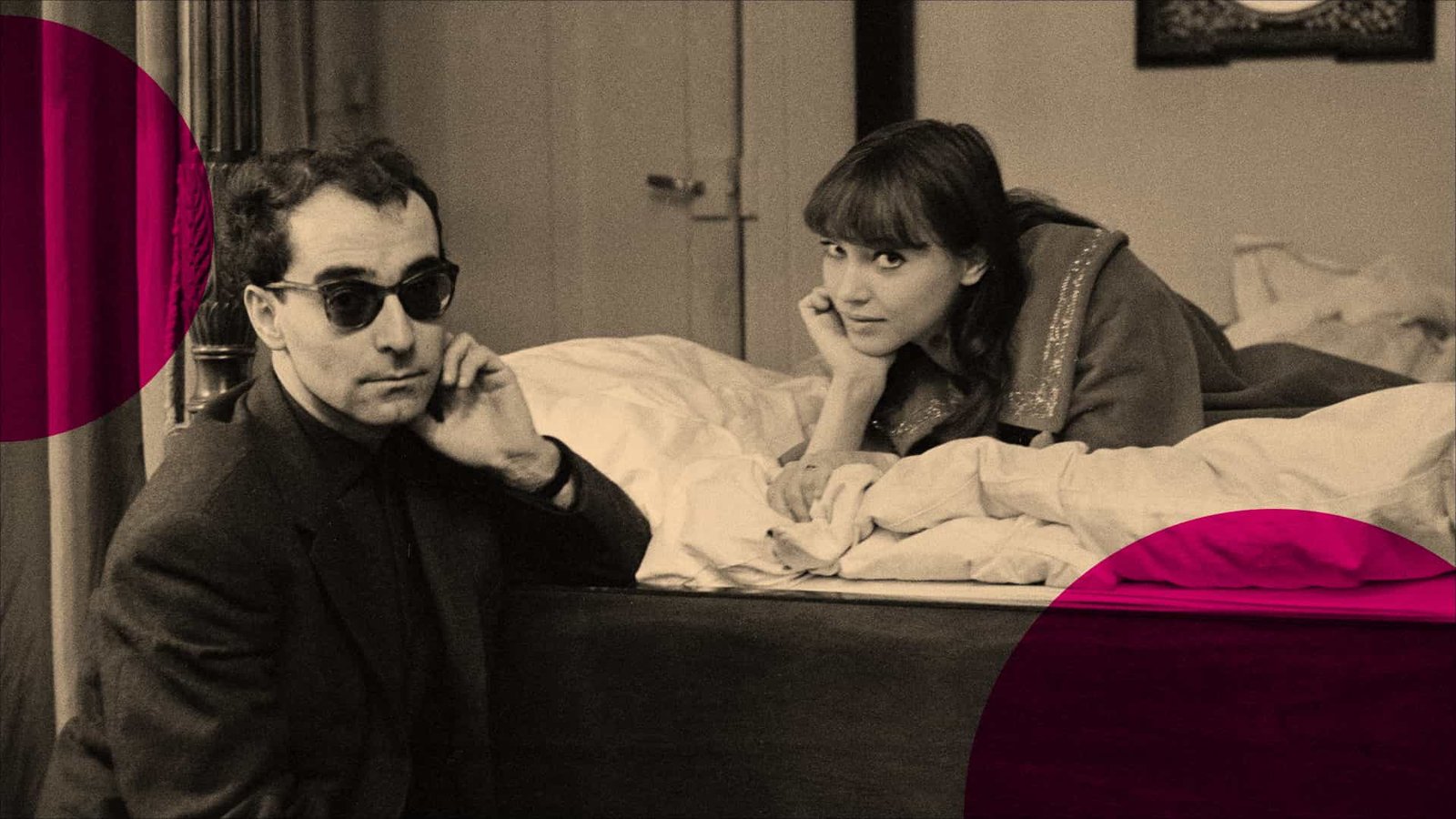
Cinema has never followed one fixed style or formula. Across different countries, filmmakers have created movements that challenged traditional filmmaking.
These movements changed how directors approached stories, characters, editing, cameras, and production. Many also influenced independent filmmakers working outside major studios.
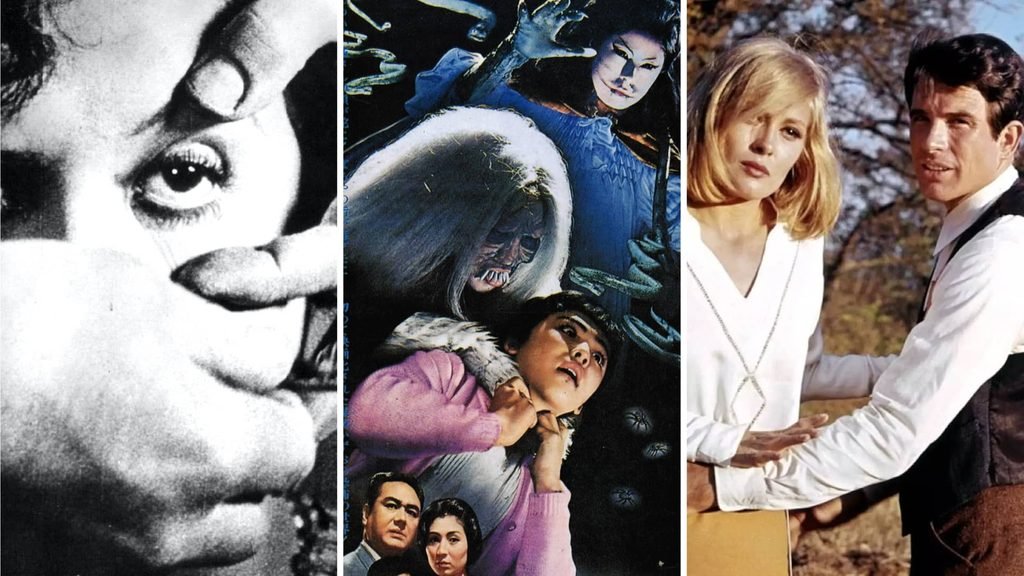
Some movements focused on realism and everyday life. Others experimented with editing, visuals, sound, or completely new approaches to storytelling.
The table below highlights ten important film movements from different periods. Each movement demonstrates how filmmakers responded to the culture and filmmaking practices around them.
10 Film Movements Worth Knowing
| Film movement | Country or region | Key characteristics |
|---|---|---|
| German Expressionism | Germany | Distorted sets, dramatic shadows, and psychological themes |
| Soviet Montage | Soviet Union | Creative editing, visual contrasts, and intellectual storytelling |
| Italian Neorealism | Italy | Real locations, ordinary people, and stories about everyday struggles |
| French New Wave | France | Handheld cameras, jump cuts, and unconventional storytelling |
| British New Wave | United Kingdom | Working-class stories, social realism, and location shooting |
| Cinema Novo | Brazil | Political themes, poverty, inequality, and experimental filmmaking |
| New Hollywood | United States | Director-driven films, complex characters, and unconventional narratives |
| Dogme 95 | Denmark | Minimal production techniques and restrictions on filmmaking tools |
| Iranian New Wave | Iran | Realistic stories, social themes, and poetic visual storytelling |
| New Queer Cinema | United States and beyond | LGBTQ+ themes, identity, sexuality, and experimental approaches |
Why These Movements Still Matter
These movements continue influencing filmmakers around the world. Their ideas can be seen in independent films, documentaries, and experimental cinema.
Many modern directors borrow techniques from earlier filmmaking traditions. They may also combine several movements within one film.
Independent filmmakers especially benefit from these creative approaches. Limited budgets can encourage directors to experiment with locations, cameras, editing, and storytelling.
Cinema movements also show that filmmaking can respond to society. Changes in politics, technology, culture, and economics often influence how filmmakers tell stories.
For ReelHaven, these movements offer useful ways to understand international cinema. They also show why film history remains important to contemporary filmmaking.
Cinema Keeps Changing
Film movements prove that cinema is constantly evolving. Each generation finds new ways to challenge familiar ideas about storytelling.
Some movements lasted only a few years. Others created techniques that filmmakers continue using decades later.
The history of cinema is therefore more than a collection of famous films. It is also a history of filmmakers experimenting with what the medium can accomplish.
Understanding these movements can change how audiences watch films. A familiar editing technique or visual style may suddenly reveal a much deeper history.
For independent cinema, this history can be especially valuable. Many filmmakers continue creating outside mainstream systems while developing their own artistic identities.
Cinema keeps changing because filmmakers keep questioning established rules. That willingness to experiment remains one of the most exciting parts of filmmaking.