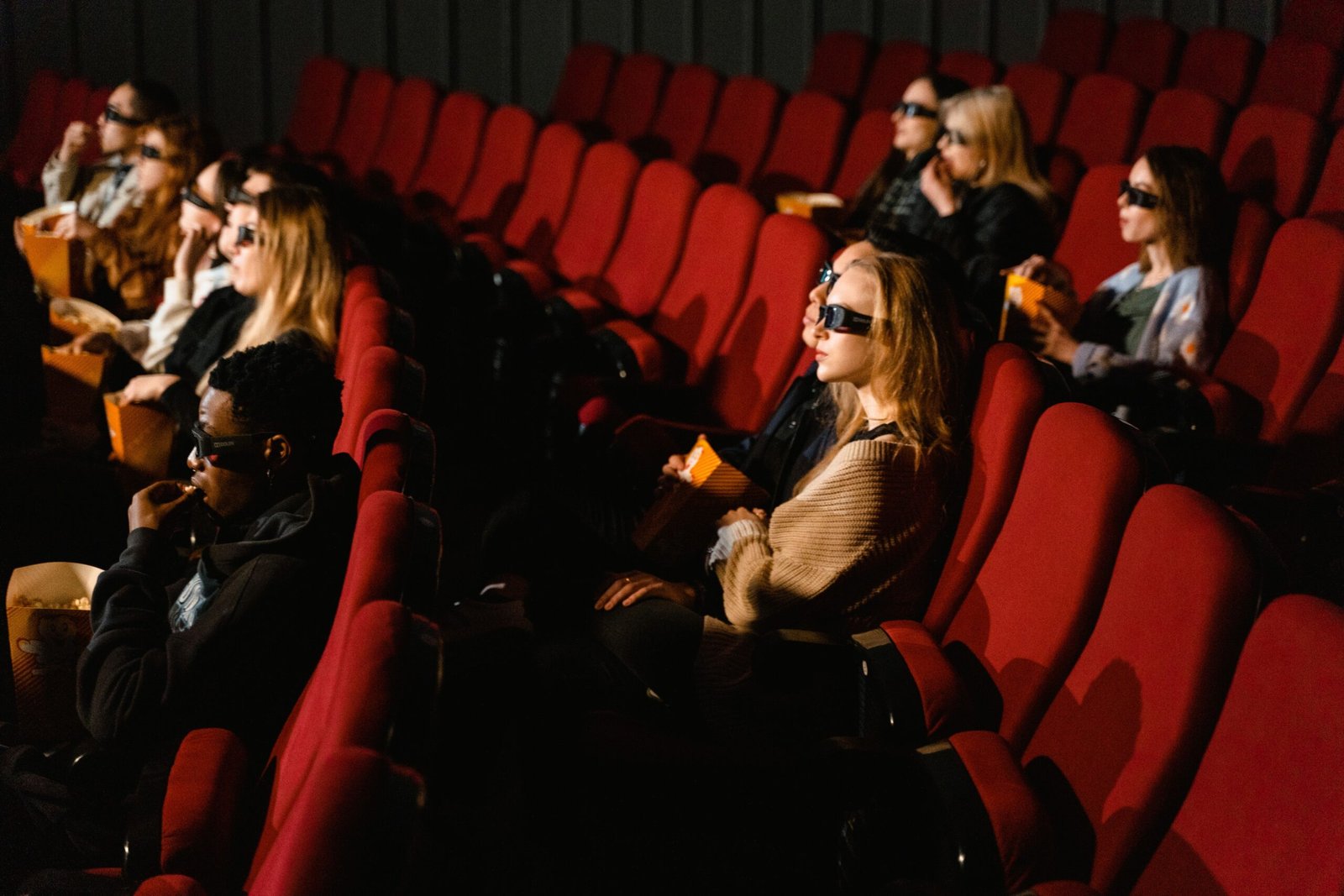
Watching a movie involves more than simply following its story from beginning to end. Films communicate through images, sounds, performances, and many other creative choices.
The plot and characters are usually the first things audiences notice. However, smaller details can reveal how filmmakers create meaning and influence viewers.
The next time you watch a film, look beyond the dialogue and storyline. Paying attention to these seven details can deepen your appreciation of cinema.
- Cinematography
Cinematography refers to how a film is visually captured and presented to audiences. It includes camera angles, framing, movement, composition, and shot sizes.
These choices influence what viewers notice during a particular scene. They can also make a moment feel intimate, distant, tense, exciting, or peaceful.
For example, a close-up can emphasize a character’s facial expression and emotions. Meanwhile, a wide shot can emphasize the surrounding environment.
A wide shot can also show how characters relate to their surroundings. This makes cinematography important for both storytelling and visual communication.
- Color
Color can strongly influence a film’s mood and atmosphere. Filmmakers often use particular colors to create a distinct visual identity.
Some films use warm colors to create feelings of comfort or nostalgia. Others use cooler colors to create distance, sadness, or tension.
Pay attention to whether the colors change throughout the story. These changes may reflect developments in characters, relationships, or situations.
Color can also draw attention to important characters or objects. Repeated colors may connect different scenes or reinforce important themes.
- Lighting
Lighting can dramatically change how a scene looks and feels. It can influence the atmosphere without requiring additional dialogue.
Bright lighting can create feelings of openness, safety, or comfort. Darker lighting can create uncertainty, tension, mystery, or uneasiness.
Shadows can also serve important storytelling purposes. They may hide information, emphasize certain details, or reflect a character’s situation.
Notice how lighting changes between different scenes. These changes can help audiences understand shifts in mood or narrative circumstances.
- Sound and Music
Film is not only a visual medium because sound also shapes the viewing experience. Dialogue, music, effects, and silence can influence interpretation.
Music can make a scene feel hopeful, emotional, frightening, or nostalgic. It can strengthen emotions without changing what happens onscreen.
Sound effects can also make a film’s world feel more realistic. They can draw attention to details that viewers might otherwise overlook.
Silence can be equally powerful within a scene. A sudden absence of sound can create tension or emphasize an emotional moment.
- Costumes and Appearance
A character’s appearance can communicate information before they speak. Clothing, hairstyles, accessories, and makeup can reveal different aspects of characters.
These elements can suggest a character’s personality, background, occupation, or social position. They can also provide visual information about relationships and circumstances.
Costumes can change as characters develop throughout a story. These changes may reflect transformations in identity, relationships, or emotional states.
Pay attention when a character’s appearance changes noticeably. Such changes may reveal developments that the dialogue does not directly explain.
- Editing
Editing determines how individual shots and scenes are arranged together. It plays an important role in creating the finished film.
The length of each shot can influence the story’s pacing. Transitions can also affect how audiences understand connections between different scenes.
Fast editing can create urgency, excitement, or confusion. Longer shots can encourage viewers to focus on characters, settings, or emotional moments.
Editing also controls when audiences receive important information. This allows filmmakers to create suspense, surprise, anticipation, or uncertainty.
- Symbolism and Visual Details
Some meaningful details may appear repeatedly throughout a film. These details can include objects, locations, gestures, colors, or images.
Repeated elements can carry symbolic meanings connected to the film’s larger themes. They can also provide additional ways for audiences to understand characters.
For example, an object may represent a character’s past. A recurring location might represent safety, isolation, change, or another important idea.
These details are not always explained directly through dialogue. Viewers must sometimes interpret them based on the film’s larger context.
- Look Beyond the Story
A film communicates through much more than its plot. Every creative decision can contribute to the audience’s understanding of its story.
Cinematography, color, lighting, sound, costumes, editing, and symbolism work together. Together, these elements create the film’s overall cinematic experience.
The next time you watch a movie, choose one element to observe closely. You may discover details that completely change your understanding of certain scenes.
Learning to notice these elements can make watching films more engaging. Instead of only asking what happened, consider how the filmmakers made it happen.
Cinema becomes more interesting when audiences look beyond the surface. Sometimes, the smallest visual or auditory detail can communicate the most.