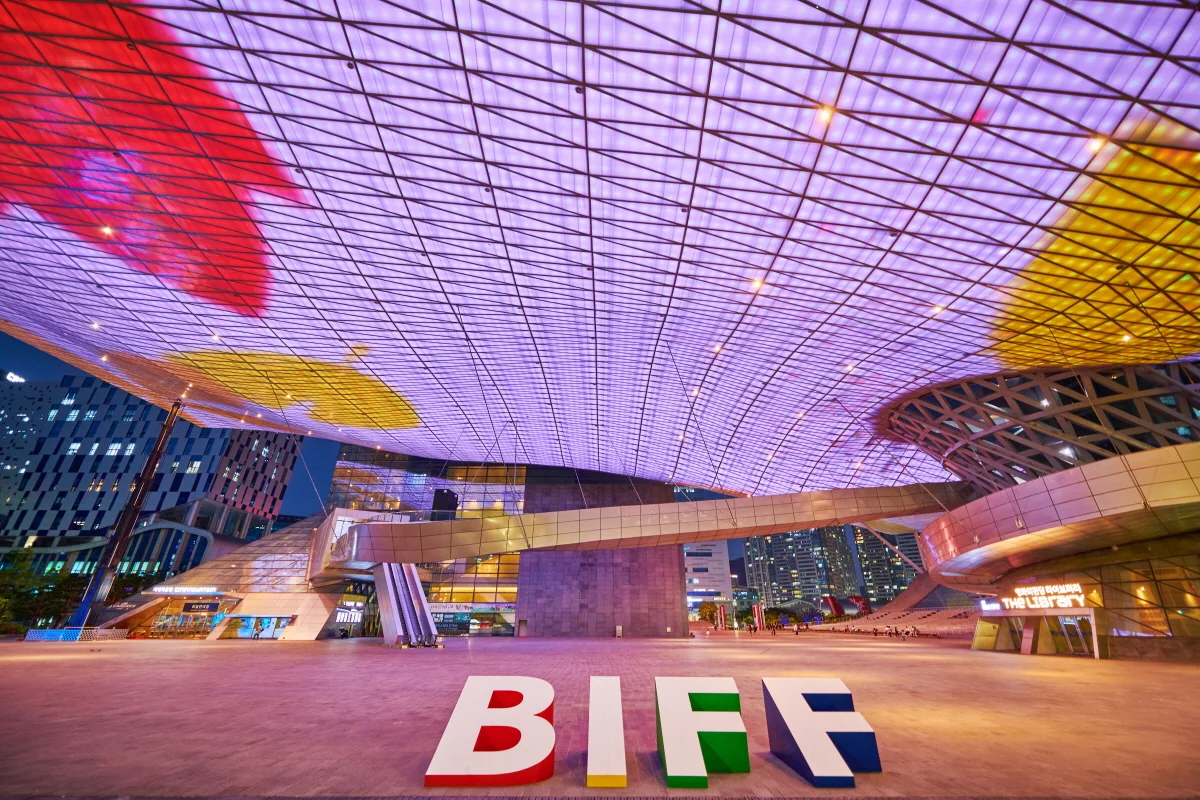
The global film community turns its eyes toward South Korea as the 31st Busan International Film Festival (BIFF) prepares to take over the coastal city from October 6–15, 2026. Recognized as Asia’s premier launchpad for bold cinema, BIFF has officially earned “A-list” status from FIAPF this year, placing it alongside heavyweights like Cannes and Venice while remaining fiercely dedicated to independent and non-Western auteur storytelling.
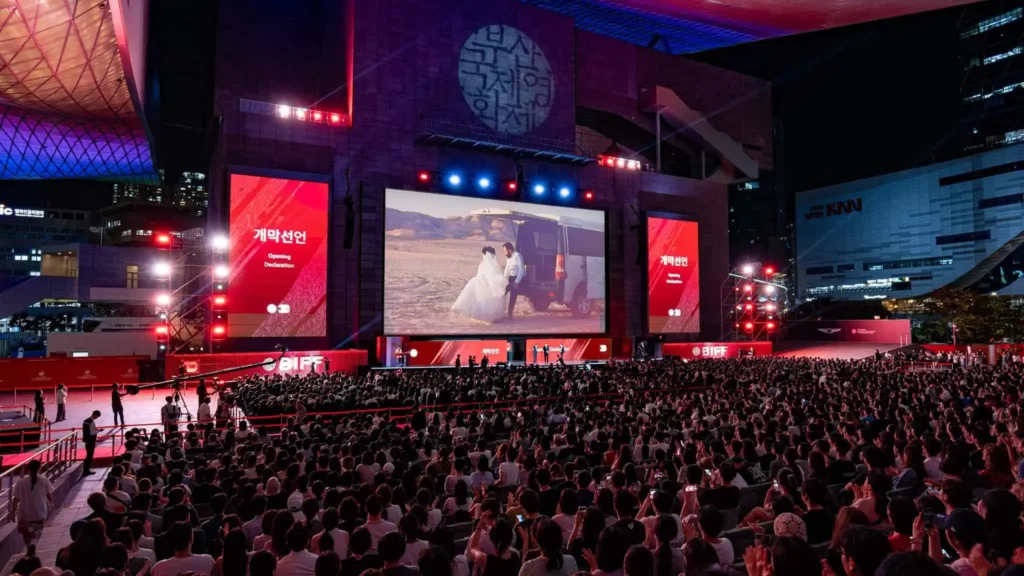
For indie enthusiasts, the heart of BIFF lies in two key programming slates:
- New Currents: The festival’s crown jewel competition, exclusively spotlighting debut or sophomore feature films from emerging Asian directors. It’s where tomorrow’s world-cinema visionaries are discovered first.
- A Window on Asian Cinema: A curated deep dive into the region’s most compelling indie projects, offering a panorama of diverse styles, boundary-pushing themes, and socio-political narratives spanning from East Asia to Central and South Asia.
Beyond the competition slates, this year’s festival expands to 316 films across its programs, including special spotlights honoring legend Michelle Yeoh and director Ann Hui. Whether you are hunting for low-budget art-house gems, daring foreign-language debuts, or high-concept festival favorites, BIFF remains the ultimate pulse-check for world cinema.
Leave a Reply